
About Residence Development
Residence Development in Real Estate: A Comprehensive Guide
Residential development is a vital sector in the real estate industry. It involves the planning, construction, and sale of residential properties, which can range from single-family homes to large apartment complexes. With the ongoing demand for housing worldwide, residential development plays a key role in shaping communities, boosting local economies, and fulfilling the needs of growing populations. This article will dive into the details of residence development in real estate, discussing its processes, challenges, and the future of housing development.Our vision is to be the leading real estate developer company in the next few years; as a result, we have been striving to deliver our properties ahead of schedule while maintaining excellent quality. By accomplishing this goal, our credibility rose and has been recognized by our clientele, resulting in their continuous investment in our new projects and the future projects to come.
What is Residential Development?
Residential development refers to the creation of housing units where people live. These can include projects like single-family homes, townhouses, condominiums, apartment buildings, and even large mixed-use developments that combine residential spaces with commercial or retail properties. The goal of residential development is to meet housing demands while also ensuring that the projects contribute to the overall growth and improvement of the surrounding community.
The Importance of Residential Development in Real Estate
Housing is a basic human necessity, and residential development is essential to ensure that there is adequate housing for everyone. Whether for sale or rent, these developments help address the housing shortage in urban and suburban areas. Beyond meeting housing needs, residential development supports the economy by creating jobs, generating tax revenue, and fostering the growth of local businesses. The success of a residential project can also drive the improvement of surrounding infrastructure, public services, and community amenities, which in turn, elevates the quality of life for residents.
Key Stages of Residential Development Projects
The process of developing residential properties involves several stages:
- Land Acquisition and Site Analysis: The first step is acquiring suitable land. Developers must analyze the land’s topography, location, and zoning laws to ensure it fits the intended project.
- Planning and Zoning: Developers need to submit detailed plans that align with local zoning regulations. This stage involves working with government agencies to get permits and approvals.
- Design and Architecture: After securing permits, developers work with architects and engineers to create the design of the residential units, balancing functionality with aesthetics.
- Construction and Development: The actual building of the project takes place. This stage involves managing construction crews, materials, timelines, and budgets.
Types of Residential Properties
Residential developments come in various forms, and the type of property depends on the target market and location. Common types include:
- Single-Family Homes: Standalone houses designed for one family, often in suburban or rural areas.
- Multi-Family Homes and Apartment Complexes: Buildings with multiple residential units, often found in urban areas.
- Townhouses and Condominiums: Homes that share walls with neighbors, offering a blend of individual ownership and communal living.
Emerging Trends in Residential Development
The real estate sector is continually evolving, and several key trends are influencing residential development:
- Sustainable and Eco-Friendly Housing: There’s an increasing demand for developments that use green building materials, energy-efficient designs, and renewable energy sources.
- Smart Homes and Technology Integration: Homes equipped with smart technology like voice-controlled devices, automated lighting, and security systems are becoming more popular.
- Mixed-Use Developments: These developments combine residential, commercial, and retail spaces, allowing for more cohesive and convenient communities where people can live, work, and shop.
Financing a Residential Development Project
Residential development projects require significant financial investment, and developers often rely on various forms of financing:
- Traditional Loans: Bank loans are a common way for developers to finance their projects, especially in the early stages of land acquisition and construction.
- Investments: Real estate developers may seek private or institutional investors to fund larger projects in exchange for a return on investment.
- Crowdfunding: An emerging trend where developers raise funds from a large number of smaller investors, usually through online platforms.
The Role of Real Estate Developers in Residential Development
Real estate developers are the driving force behind residential development projects. They coordinate the entire process, from land acquisition to design, construction, and sales. Developers must balance a variety of responsibilities, including securing financing, managing project timelines, and ensuring compliance with local regulations. They also work closely with architects, contractors, and local governments to bring their vision to life.
Key Considerations for Successful Residential Developments
To create a successful residential project, developers must consider several key factors:
- Location: Proximity to schools, transportation, and amenities can significantly influence a project’s success.
- Market Research: Understanding the target demographic is crucial in designing a project that appeals to potential buyers or renters.
- Regulations: Navigating zoning laws, building codes, and environmental regulations is essential to avoid legal issues or delays.
Challenges in Residential Development
Residential developers face a number of challenges:
- Rising Construction Costs: Fluctuations in the cost of materials and labor can make budgeting difficult.
- Land Availability: As cities grow, finding affordable land for development becomes increasingly challenging.
- Regulatory Hurdles: Delays in obtaining permits and approvals can slow down the construction process.
The Impact of Residential Development on Local Communities
Residential development doesn't just benefit the real estate market; it has a profound impact on local communities. New housing developments create jobs in construction and service industries. They can also lead to the development of new schools, parks, and retail spaces, improving the overall quality of life in the area.
Sustainability in Residential Development
As environmental concerns grow, sustainable building practices have become a priority in residential development. Developers are using green building materials, incorporating energy-efficient designs, and striving for LEED certification to reduce their environmental footprint and offer eco-conscious living options to residents.
The Future of Residential Development in Real Estate
Looking ahead, the future of residential development will be shaped by global trends like urbanization and technological innovation. Vertical developments, or high-rise buildings, will become more common in densely populated cities, while smart cities, designed with integrated technology to improve efficiency and livability, will lead the way in residential innovation.
Case Studies: Successful Residential Developments
Examining successful residential projects can provide valuable insights into best practices. For example, the transformation of unused industrial areas into vibrant residential communities has been a winning strategy in cities like New York and London, showing the potential for innovation in urban real estate.
Residential development is a cornerstone of the real estate industry, creating homes and communities that meet the needs of a growing population. From sustainable designs to smart home technology, the future of residential development is full of exciting opportunities for innovation. Developers must stay attuned to market trends and regulations to successfully navigate this ever-evolving landscape.
FAQ
- What is the typical timeline for a residential development project?
- A project can take anywhere from one to five years, depending on the size and complexity.
- How do developers choose the location for a residential project?
- Developers consider factors like land availability, market demand, proximity to amenities, and local regulations.
- What is the role of local government in residential development?
- Local governments regulate zoning, issue permits, and ensure that developments meet environmental and safety standards.
- How do residential developments impact property values?
- New developments can increase surrounding property values by improving infrastructure and amenities.
- What are the current trends in residential architecture?
- Trends include sustainable building materials, open floor plans, and the integration of smart home technologies.
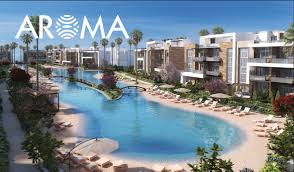
Aroma
Residence Development
| "AROMA is a one type resort where you can live the exquisite and fun stories on a 100,000 m² land designed for the excited holidaymakers. With a unique architecture and landscape style, every residence is created in a way to o¬er maximum comfort and everything you have dreamt for your ideal holidays." |